Berkeley highlight
Free Speech Movement history
Berkeley's Free Speech Movement of 1964–1965 changed American higher education by establishing student rights to political speech and activism on campus.
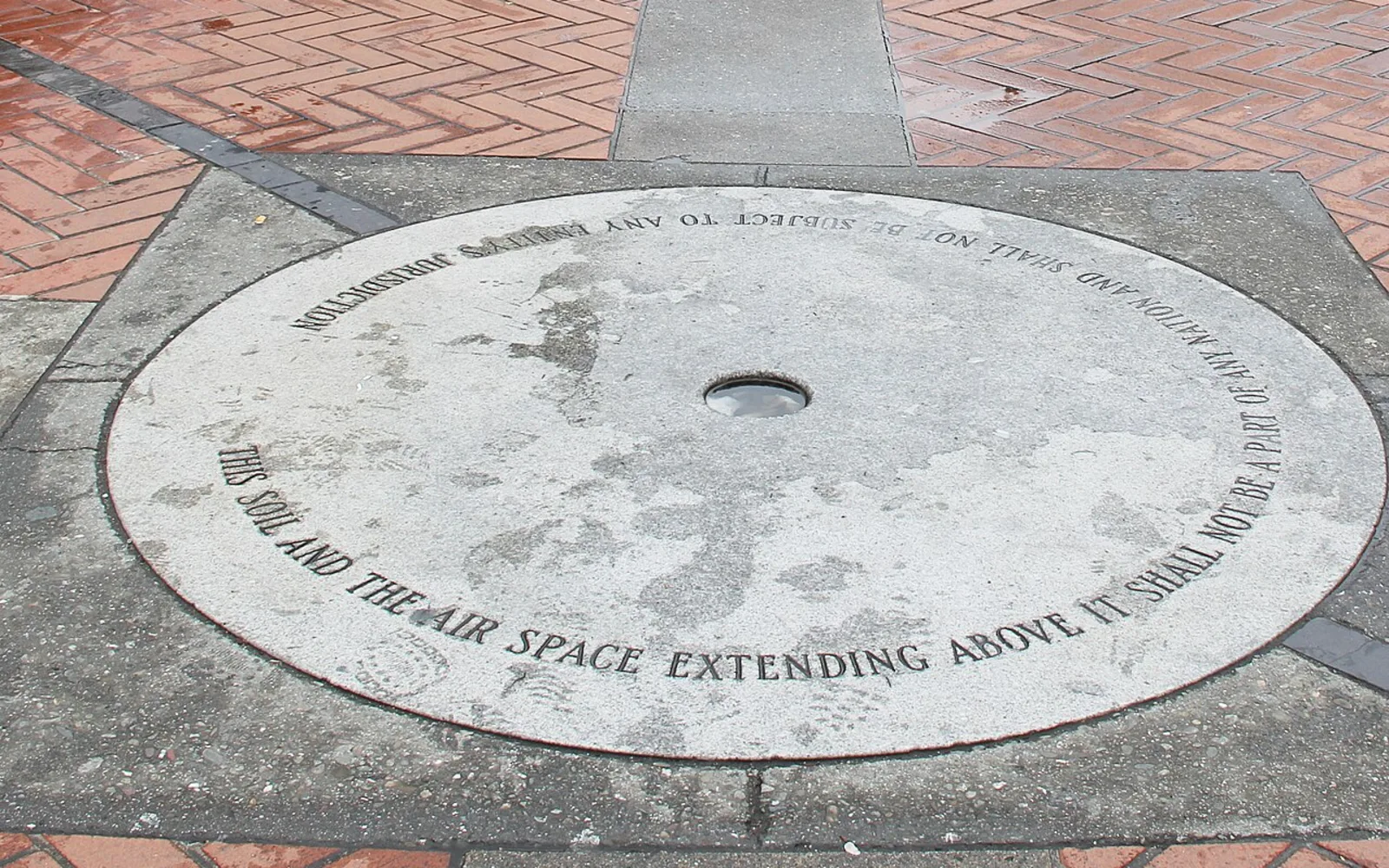
In the fall of 1964, UC Berkeley students protested campus restrictions on political speech and activism at the Sproul Plaza steps. The student-led Free Speech Movement, formally organized from September through December 1964, demanded the right to organize political groups, hold meetings, and recruit members on university grounds. The administration had banned student political tables in the plaza and limited campus political speech. The movement included teach-ins, rallies and sustained civil disobedience.
The movement gained support from faculty members and the Berkeley community. In December 1964, the UC Regents voted to lift restrictions on student political expression on campus. The Free Speech Movement established a precedent for student rights on campuses nationwide and is recognized as a turning point in American higher education and civil liberties. The 1960s protests that followed, including anti-war demonstrations, were enabled by the speech protections the FSM had won.
Berkeley's history as a place where ideas and activism shape policy and change remains woven into the city's identity. Families who choose to raise children in Berkeley, or who send them to study here, often do so because of the city's commitment to open discourse, community engagement and social change. That commitment to building something larger than oneself — whether through education, activism or service — is part of what makes Berkeley distinctive. Term life coverage protects the years when those commitments matter most: raising children, launching careers, building community roots.